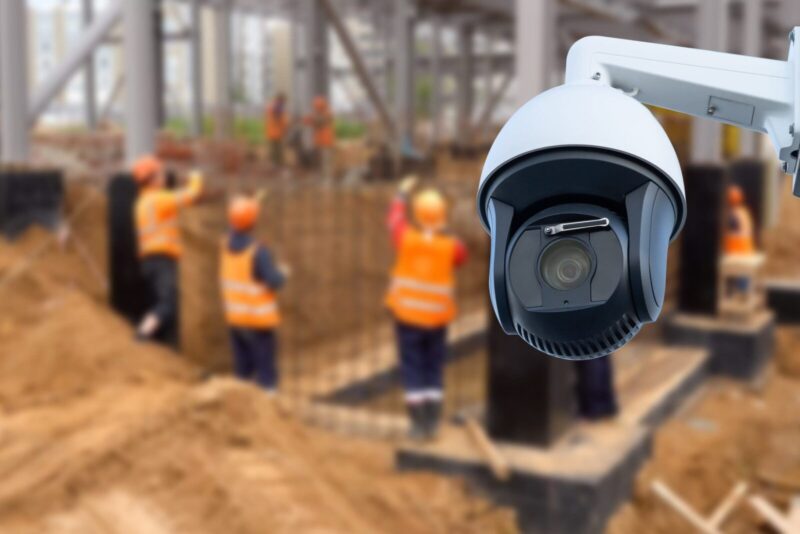
Large civil works, mining operations, and infrastructure upgrades share a tough reality: big footprints, high value assets, and constant movement of people and machinery. Many sites are remote, run long hours, and change layout fast, which can invite theft, vandalism, and unauthorized access. A practical security program protects equipment, supports safety, and helps the schedule stay on track. It also reassures clients and regulators that you take duty of care seriously, because controlled access and documented incidents make audits easier and reduce the chance of disputes after an event.
Perimeter control and access management

Start by controlling entry and limiting movement. Temporary fencing, lockable gates, and a single managed entry point create a clear boundary. Visitor sign in, contractor verification, and vehicle checks build accountability from day one. For advanced coverage, next-generation building site security cameras can watch gates and key corridors while providing evidence grade footage for investigations.
Separate higher risk zones such as fuel storage, explosives areas, and tool cribs with internal fencing and restricted keys. Good lighting strengthens access control by improving visibility and removing dark hiding spots. Motion activated lighting works in low traffic areas, while constant lighting suits critical zones. Clear signage about surveillance and restricted access improves deterrence and supports incident reporting.
Smart surveillance and rapid response
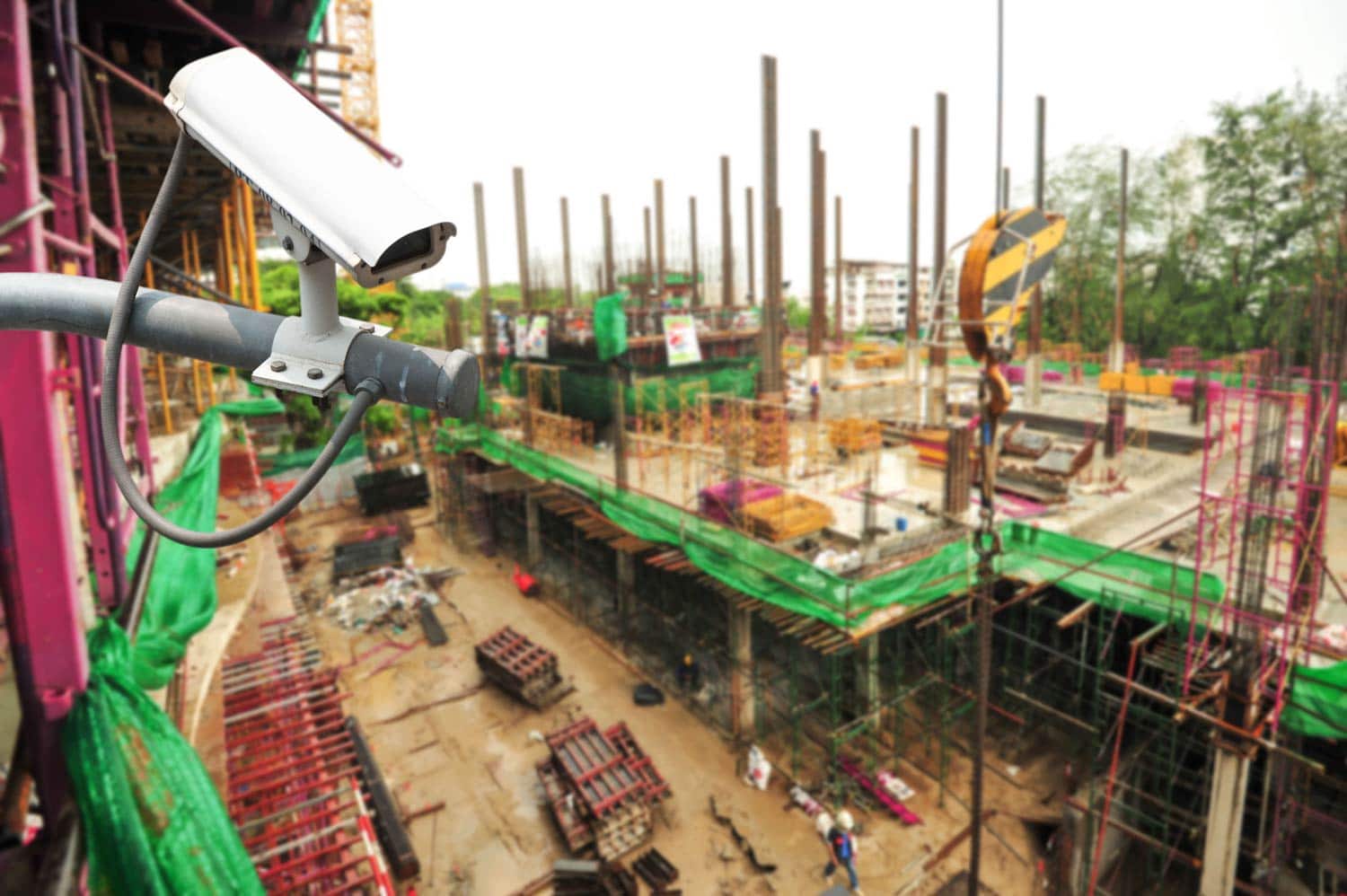
Cameras work best when they drive action, not just recording. Place units to cover entrances, laydown yards, workshops, and high value plant, and plan angles to reduce blind spots caused by stockpiles or temporary buildings. Choose systems with infrared night vision, weather resistance, and remote connectivity that fits the site.
Analytics can flag unusual behavior such as movement inside exclusion zones, loitering near assets, or entry outside approved hours. When alerts go to live monitoring, operators can verify events, trigger audio warnings, and contact mobile patrols or site leaders. Faster verification reduces false callouts and increases the chance of stopping a loss before it grows. In remote regions, private LTE or satellite links can keep monitoring online when public networks fail.
Operational security for complex projects

Security should evolve with the project phase. Early works may focus on perimeter strength, while fit out stages need tighter control of tools, copper, and consumables. Review the security plan weekly, update it when the site map changes, and align it with the construction program so coverage follows the work front.
Combine security with safe operations. Use CCTV for incident review, traffic flow checks, and verification of exclusion zones where policy allows. Add asset tracking with GPS for mobile plant and serialized inventory for high risk items. Tight procedures for key management, fuel reconciliation, and tool counts reduce internal shrinkage. Train supervisors to report suspicious behavior early, preserve footage, and keep a clear chain of custody for evidence.
Conclusion
Effective protection for civil, mining, and infrastructure sites comes from layered controls, clear visibility, and fast response. When perimeter management, smart surveillance, and disciplined operations work together, teams reduce incidents, improve accountability, and deliver with fewer interruptions from start through handover.